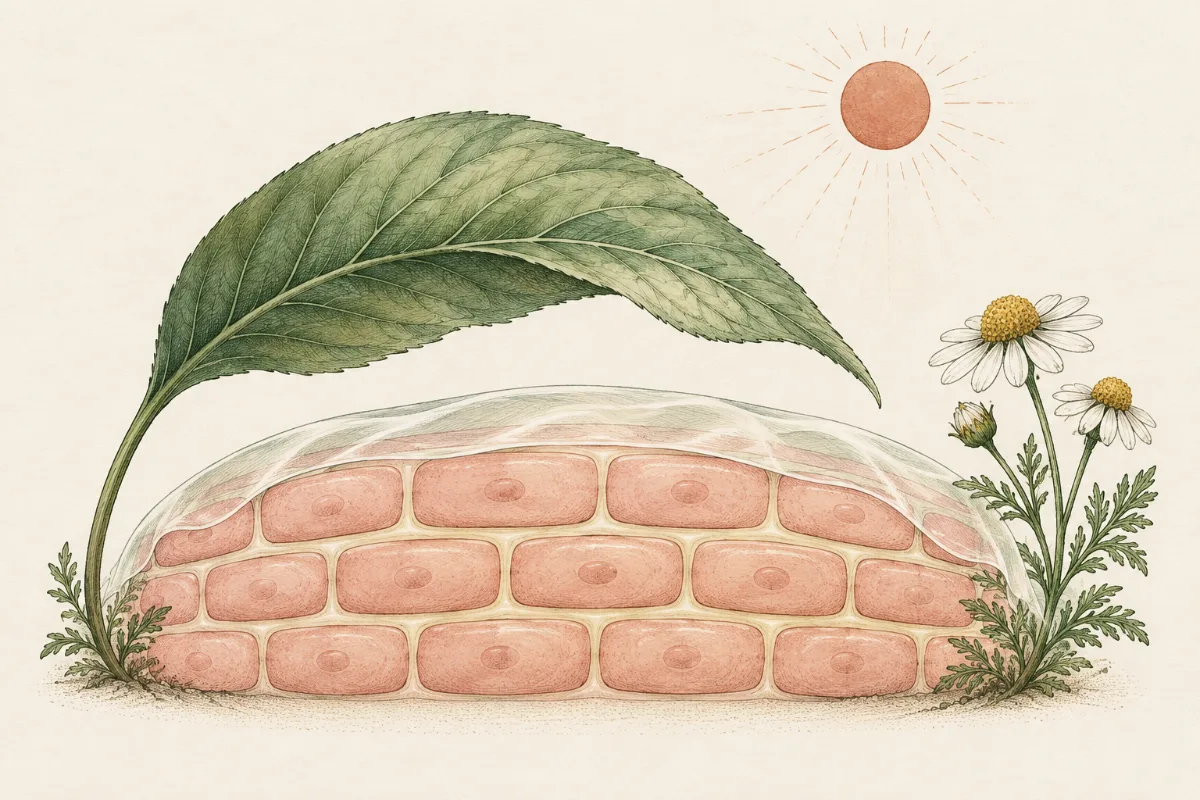
How to Strengthen a Sensitive Skin Barrier Long-Term
Once your skin barrier has recovered from acute damage, the goal shifts from repair to prevention — building a routine that keeps your barrier resilient instead of cycling through damage and recovery repeatedly.
Why maintenance matters, even when skin feels fine
A barrier that’s recovered once is not necessarily more resistant to damage in the future — if anything, skin that’s been through barrier damage (especially repeatedly) can become more prone to sensitivity going forward. Ongoing, deliberate maintenance is what actually prevents the cycle from repeating, rather than just reacting each time damage occurs.
The core long-term habits
Gentle maintenance and avoiding irritating exfoliation: AAD dry-skin care; AAD exfoliation guidance.
- Keep a ceramide-rich moisturizer in your routine permanently, not just during flare-ups — see Best Moisturizer for Damaged Skin Barrier for specific picks that work equally well as daily maintenance
- Introduce any new active slowly, one at a time, regardless of how well-tolerated your skin currently feels — this is the single most effective prevention habit
- Don’t stack multiple exfoliating products. Check labels — cleansers, toners, and masks often contain acids without it being obvious, and combined they add up to more exfoliation than intended
- Space out actives deliberately. Retinoids and exfoliating acids on alternating nights, rather than both in the same routine, meaningfully reduces cumulative barrier stress
- Never skip SPF. Sun damage independently weakens the skin barrier over time, compounding whatever else is going on
Products mentioned in this guide
Dermlore may earn a commission from qualifying purchases made through links on this page, at no additional cost to you. As an Amazon Associate I earn from qualifying purchases.
- CeraVe Moisturizing Cream, Face & Body Moisturizer for Dry Skin, 19oz — CeraVe · 19 oz. Face and body cream with ceramides; 19 oz.
Building in regular “barrier check-ins”
Rather than waiting for obvious symptoms, periodically ask: does my skin feel comfortable immediately after applying my usual products? Persistent low-grade tightness or mild stinging that you’ve simply gotten used to is often an early sign worth addressing before it becomes a full barrier-damage episode requiring the more involved repair routine.
Related Dermlore guidance
For skin that’s naturally more reactive
Some people have a genuinely more barrier-sensitive baseline — not from acquired damage, but as a consistent trait. If that’s you:
- Patch test new products for several days before applying them to your full face
- Favor shorter ingredient lists and fragrance-free formulas as your default, not just during flare-ups
- Consider that life-stage factors (like perimenopause, covered in our Perimenopause Skin Care Guide) can shift your baseline sensitivity even if it wasn’t an issue before
When maintenance isn’t enough
Persistent reactions need diagnosis: AAD dermatitis diagnosis and treatment.
If you’re doing everything right and still experiencing frequent barrier issues, that’s worth discussing with a dermatologist — it may point to an underlying condition like eczema or rosacea that benefits from a more tailored, sometimes prescription-based approach rather than general maintenance alone.
FAQ
How often should I “rest” my skin from actives, even without visible damage?
There’s no universal rule, but many dermatologists suggest a periodic simplified stretch (a week or two) if you notice early signs of strain, rather than waiting for full barrier damage to develop.
Can diet or lifestyle factors affect long-term barrier strength?
Broadly, yes — hydration, sleep, and stress all affect skin health generally, though topical care and product choices remain the more direct, controllable factors for barrier maintenance specifically.
Is it normal for barrier sensitivity to change over time, even without a specific trigger?
Yes — hormonal shifts, seasonal changes, and simply aging skin can all shift your barrier’s baseline resilience, which is why an ongoing maintenance mindset works better than a one-time fix.
References
- Dermatologists’ top tips for relieving dry skin American Academy of Dermatology
- How to safely exfoliate at home American Academy of Dermatology
- Eczema types: Contact dermatitis diagnosis and treatment American Academy of Dermatology
Dermlore provides general educational information, not personal medical advice, diagnosis or treatment. Reading this site does not create a doctor–patient relationship. Consult a qualified healthcare professional for advice about your circumstances. Medical disclaimer.