Skin that changed
Dermatology for skin that changed — not skincare that assumes it didn’t.
Guides to adult acne, skin changes around menopause, and skin barrier care, connecting practical skin care with identifiable medical sources and clear editorial standards.
Owned by Dr. Bardov, practicing dermatologist-venereologist. Medical review is shown only where it has been confirmed.
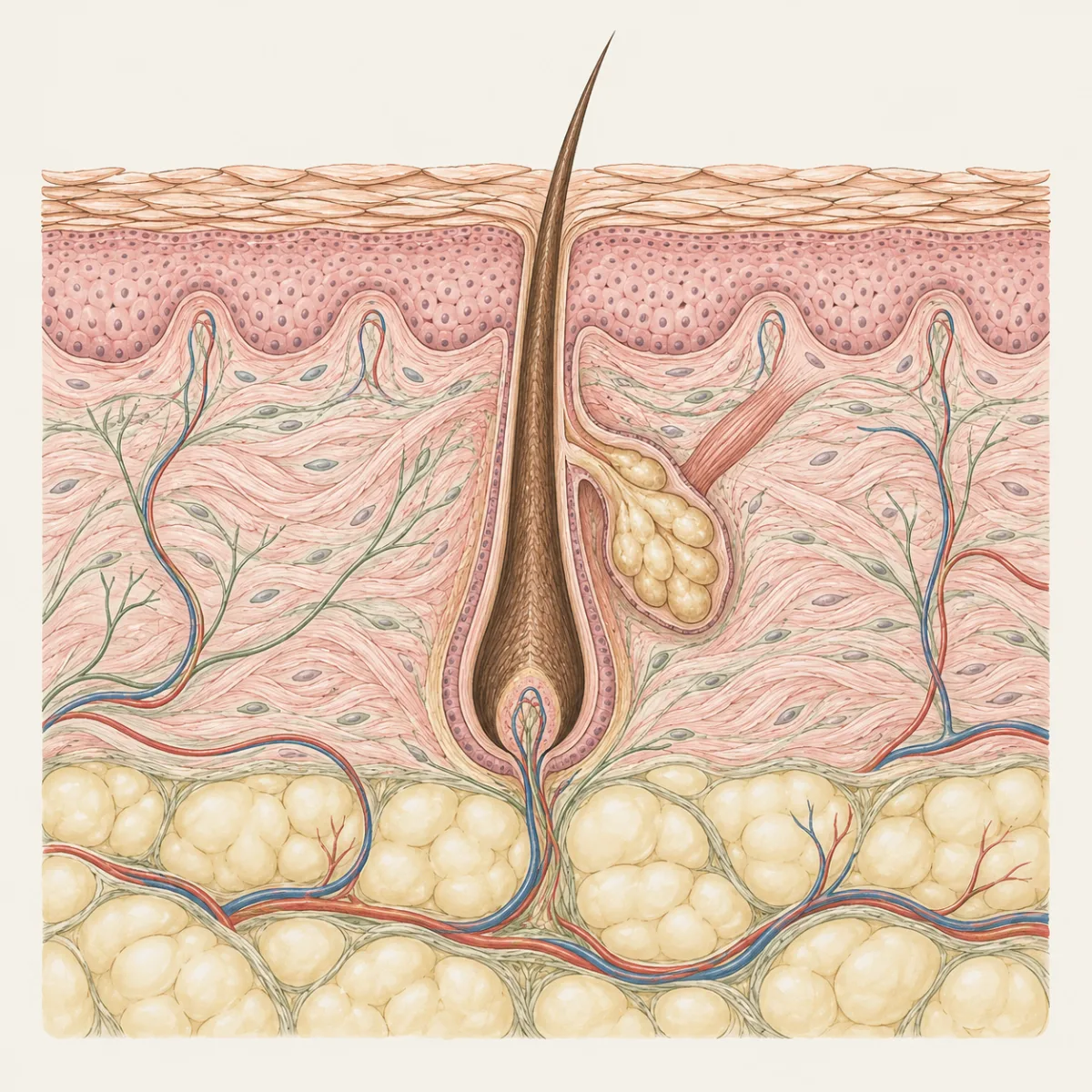
Over-exfoliation, retinoid irritation, and recurrent sensitivity — gentle care and signs that need clinical assessment.
Over-exfoliated skinSigns of a damaged skin barrierExplore the guide →How hormonal changes may contribute to adult acne, which treatments have evidence, and when to seek care.
Jawline breakoutsPCOS and acneExplore the guide →Dryness, sensitivity and texture changes can have several causes. Explore the evidence around perimenopause and what skin care can address.
Perimenopause vs. menopauseChoosing a moisturizerExplore the guide →An illustrated map for finding a guide — not a diagnosis.
What changed in your skin?
Pick a topic, then a starting point.
Start where your skin actually is.
Three areas of skin care, with guidance on the evidence, its limits, and when to seek professional advice.
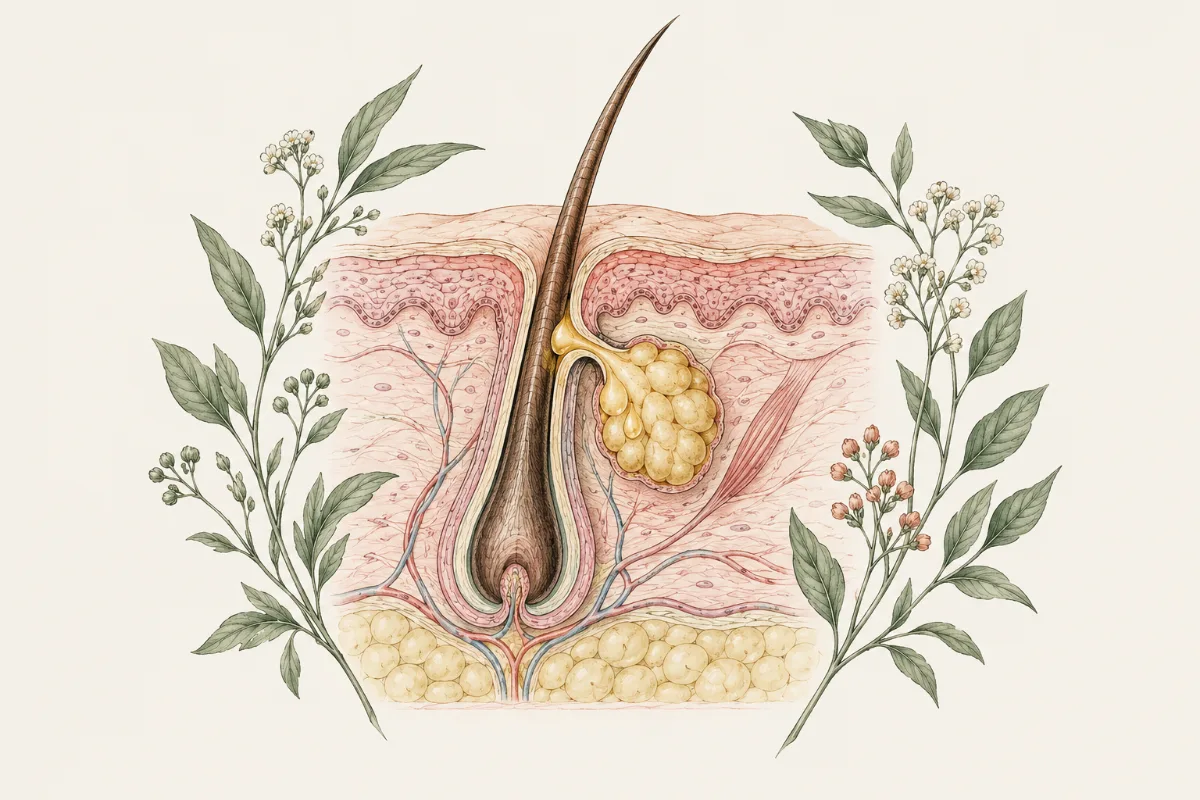
Hormonal Acne
How hormonal changes may contribute to adult acne, which treatments have evidence, and when to seek care.
- Causes
- Jawline breakouts
- Treatments
- Spironolactone: what to discuss
- Ingredients
- Azelaic acid
- Routines
- A non-prescription routine
- Related
- PCOS and acne
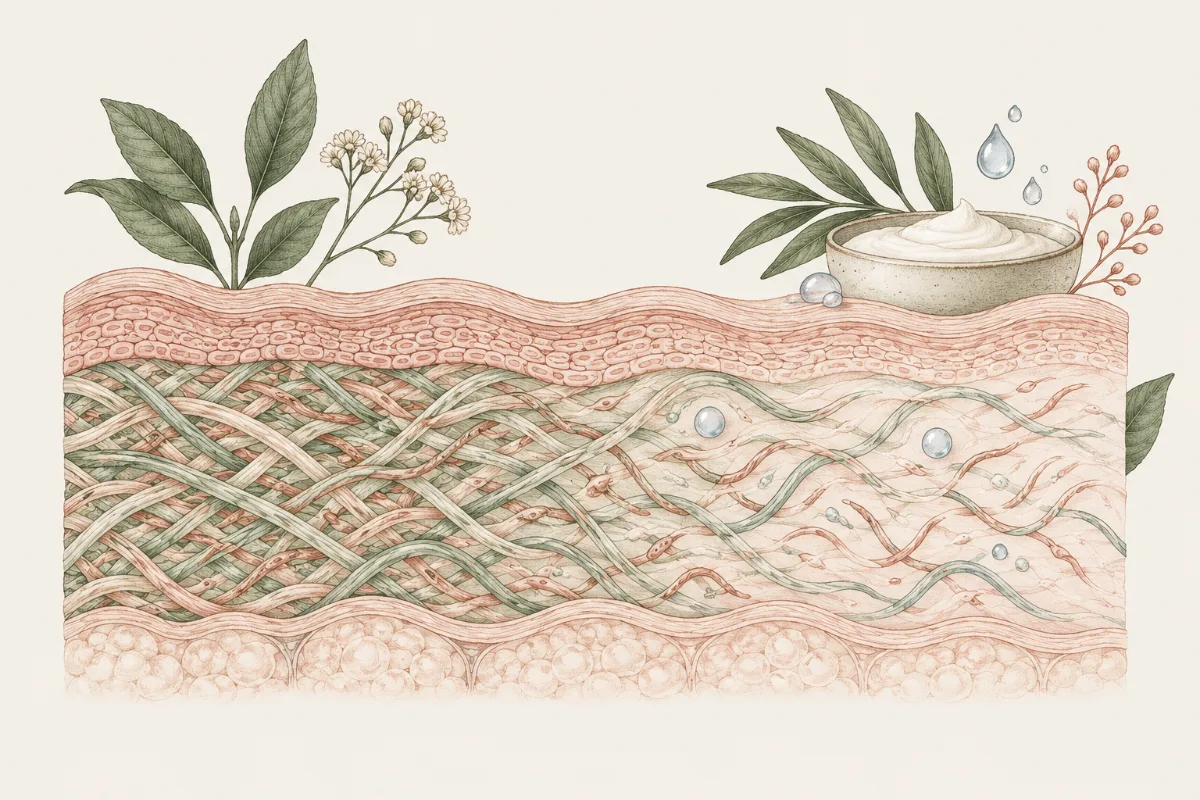
Perimenopause Skin
Dryness, sensitivity and texture changes can have several causes. Explore the evidence and what skin care can address.
- Causes
- Perimenopause vs. menopause
- Treatments
- Choosing a moisturizer
- Ingredients
- Retinol at this life stage
- Routines
- Morning and evening routine
- Related
- Breakouts during perimenopause
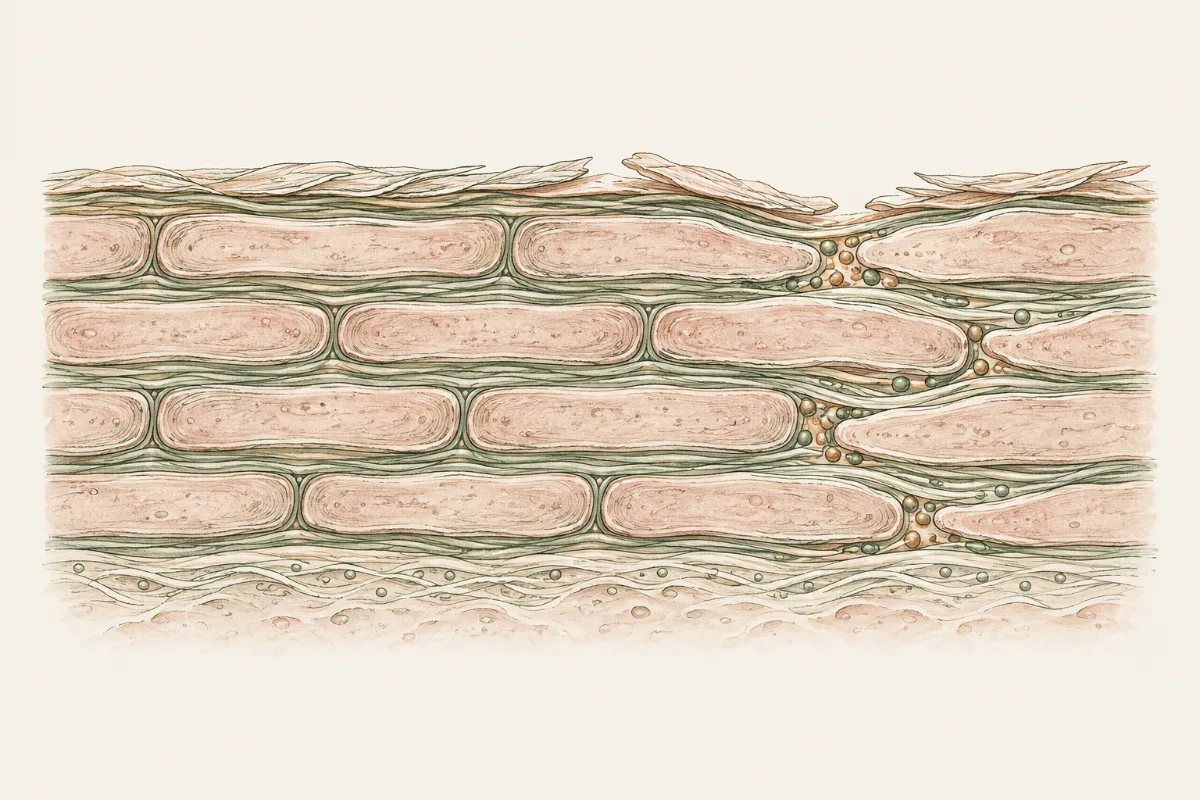
Skin Barrier Repair
Over-exfoliation, retinoid irritation, and recurrent sensitivity — gentle care and signs that need clinical assessment.
- Causes
- Over-exfoliated skin
- Treatments
- Recovering from retinol irritation
- Ingredients
- Barrier-supporting ingredients
- Routines
- A simpler repair routine
- Related
- Purging vs. a breakout
How a Dermlore guide is made.
Source-based skincare education in a consistent editorial framework. Medical review status is shown only when a review has been confirmed.
Claims link to identifiable medical literature and recognized clinical guidance, with relevant limitations.
A confirmed review names the clinician and its date. Editorial responsibility alone is not a completed medical review.
Clear contributor roles and a correction route support Dermlore’s editorial standards.
Publish and content-update dates are visible. New evidence and reported errors can prompt reassessment.
Dr. Bardov — practicing dermatologist-venereologist, trained and licensed in Ukraine — serves as the dermatologist reviewer for content that has a confirmed medical-review record.
Read our editorial policyThree tools.
No health profile.
Check a typical product order, explore ingredient evidence, or decode the usual roles in a cosmetic ingredient list. Inputs stay in the browser tab.
No symptoms, pregnancy status, diagnoses, medication history, accounts or saved profiles. Dermlore tools do not diagnose conditions or provide medical advice.
Recently published
The latest additions across all three guides.
Symptoms that can overlap with dryness or dermatitis — and when assessment is needed.
Perimenopause SkinIs Retinol Safe During Perimenopause?What retinoids can and cannot do for skin during perimenopause, with ways to manage irritation.
Hormonal AcnePCOS Acne TreatmentHow PCOS can relate to acne and which treatment options to discuss with a clinician.